Health and Safety Policy for Landscapers Stoke Newington
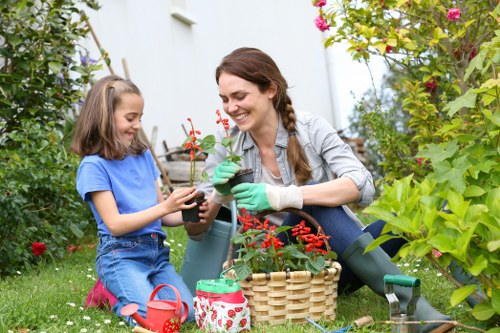 This Health and Safety Policy sets out the standards expected from our landscapers in Stoke Newington and from everyone involved in day-to-day site work, whether the task is routine garden care, clearance, planting, pruning, or rubbish removal as part of a wider landscaping service. Our aim is to maintain a safe working environment, prevent avoidable incidents, and manage risks carefully wherever work is carried out. This policy applies to all employees, contractors, and temporary workers, and it is intended to support safe, consistent, and responsible practice across all service areas.
We recognise that landscaping work can involve manual handling, use of powered tools, movement of materials, exposure to weather, and interaction with members of the public. Because of this, our approach is based on planning, awareness, and control measures that reduce hazards before work begins. A key principle is that no task should be started unless the team understands the risks involved and the controls required. This includes preparing equipment properly, checking the work area, and ensuring that waste, branches, soil, and other debris are handled in an organised way.
All staff are expected to take personal responsibility for safety and to follow instructions, site rules, and safe systems of work. Supervisors must make sure that workers are competent for the task, that tools are suitable, and that the working area remains tidy throughout the job. Good housekeeping is essential in landscaping because loose materials, uneven ground, and scattered waste can create slips, trips, and cuts. Where rubbish collection or green waste loading is required, it should be completed in a controlled manner to avoid overfilling containers or lifting loads that are too heavy.
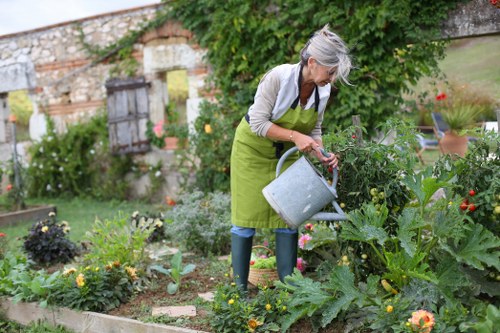 Risk assessments are completed before work begins and reviewed when conditions change. These assessments consider hazards such as sharp objects hidden in vegetation, buried services, unstable surfaces, overhead obstacles, vehicle movement, and public access. In practical terms, the landscaper should identify what might cause harm and decide how best to reduce that harm. This may involve setting up barriers, adjusting the work sequence, using protective equipment, or stopping work during severe weather. For our landscaping services, safety decisions must always come before speed.
Personal protective equipment is issued and used where required. This may include gloves, safety footwear, eye protection, hearing protection, high-visibility clothing, and dust masks depending on the nature of the task. PPE is the last line of defence and must be supported by sensible working methods. For example, when clearing waste or handling thorny cuttings, workers should use the correct gloves and lifting technique; when cutting or shredding material, guards and exclusion zones should be in place. Equipment checks are carried out before use and any defective item is taken out of service immediately.
Training and supervision are central to this policy. Every person working on site must understand safe lifting, correct tool use, and emergency procedures. Instruction should be refreshed whenever new equipment is introduced or when tasks change significantly. We do not expect workers to improvise around hazards; instead, they should pause and report concerns to a supervisor. This is particularly important for clearance jobs, where mixed waste, broken fittings, and unpredictable debris may be present alongside normal garden waste.
 Manual handling is managed through planning, team lifting, mechanical aids, and sensible load limits. Soil bags, paving offcuts, timber, and containers of waste can all place strain on the body, so workers are encouraged to assess each lift and avoid unnecessary carrying. Where possible, material should be moved in smaller loads, using wheelbarrows, trolleys, or similar aids. Repetitive tasks should be rotated to reduce fatigue. A safe landscaper keeps pathways clear, maintains balance, and uses steady movements rather than rushing.
Tools and machinery must be maintained in accordance with manufacturer guidance and company standards. Before use, workers should check for damage, fuel leaks, loose parts, worn blades, or any other fault that could create a hazard. Only trained and authorised personnel may use certain equipment. When cutting, trimming, or handling powered machinery, safe distances must be maintained and bystanders kept away. It is equally important to switch off equipment before clearing blockages or making adjustments.
Waste management forms an important part of our operational safety. All rubbish, cuttings, and discarded materials should be sorted and removed promptly so that work areas remain accessible and safe. Waste should be separated where practical, and containers must not be overloaded. Sharp or heavy items should be identified and handled carefully. For a landscaping company serving Stoke Newington and nearby areas, efficient rubbish handling supports both safety and environmental responsibility, while helping to prevent clutter on site.
 Emergency preparedness is maintained through clear procedures and staff awareness. First aid supplies should be available, and workers must know how to report injuries, near misses, or dangerous conditions. In the event of serious injury, fire, public hazard, or utility damage, work must stop immediately and the area secured. Emergency response may involve contacting the appropriate services, isolating equipment, or keeping people away from the affected zone. The team should remain calm, follow instructions, and document the incident after the situation is under control.
Environmental and seasonal conditions also influence safe working. Wet ground, frost, heat, wind, and poor visibility can all increase risk. Work should be adjusted to suit the conditions rather than forcing progress. This may mean delaying pruning, reducing machine use, or increasing breaks during hot weather. Clothing should be appropriate for the season, and drinking water should be available during longer jobs. A responsible landscape maintenance team considers both worker welfare and site safety at all times.
Management reviews this policy regularly to make sure it remains effective, current, and relevant to the services provided. Incidents, near misses, and routine inspections are used to identify patterns and improve controls. Changes in equipment, task type, or legislation are reflected in updated procedures. The aim is to keep standards practical and consistent so that every project is completed safely, professionally, and with due care for people, property, and the surrounding environment.
 This policy reflects our commitment to safe landscaping operations, careful rubbish handling, and responsible working practice across our service area. All workers are expected to support these standards by staying alert, communicating clearly, and following safe methods every day. By combining planning, training, maintenance, and respect for site conditions, our team can deliver reliable work while minimising risk and protecting everyone involved.

